
As with most genres, horror is a large umbrella of spine-chilling possibilities that warrants great creativity as the premises of the plots can be taken in many different directions. The only thing required of a horror film is for it to unsettle audiences and invoke fright and panic in its viewers. To achieve this, many horror films will try to effectively center “on the dark side of life, the forbidden, strange and alarming events” (Film Site). In order to discover how horror films will capture “the dark side of life” and twist it in a manner to alarm viewers, research into the genre conventions, or the common characteristics of any given genre, is necessary.
I also thought to research the genre conventions of the thriller/suspense genre which, to my surprise, was not a sub-genre of horror and can actually be considered a separate genre entirely. A horror’s film’s main goal is to “horrify” viewers – make them jump with fright or be disgusted – and will usually do so with more direct and gory means.
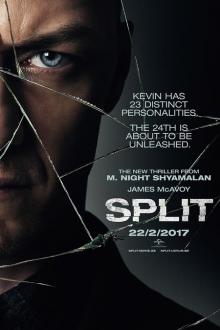
Thriller/Suspense films, on the other hand, are more focused on keeping the audience on the ‘edge of its seat’ and increase the tension that eventually builds to a climax. Film Site describes thrillers as “films known to promote intense excitement, suspense, a high level of anticipation… anxiety, and nerve-wracking tension.” The movie Split (2016) is a good example of this as it works to create an intense and disturbing atmosphere and does not mainly use direct scares to frighten the audience and instead escalates the tension throughout the film to unnerve viewers. Horror and thriller are largely similar, but at the same time are also vastly different, and thus contain genre conventions that diverge in certain areas. I will go more into depth about these differences in a later post.
First and foremost, researching and understanding the different genre conventions of both horror and thriller films was necessary for me to grasp what makes these films so terrifying in order to be able to utilize these conventions later.
Most often, horror movies will utilize these conventions:
- Common Themes: Good vs. Evil, Religion, Supernatural, Revenge, Zombie Apocalypse, Insanity
- Style: Bloody, Disorienting, Jarring (use of many jump scares)
- Characters:
- The main protagonist who takes on the villain (victim/hero)
- The evil villain/antagonist (monster, alien, serial killer, etc.)
- Creepy children
- Police Officers (either of no help to protagonist or is an antagonist themselves)
- Immoral teenagers that end up being killed
- Settings:
- Small Communities or Isolated Places (urban environments, dark streets, narrow alleyways, etc.)
- Abandoned Houses
- Graveyards
- Basements
- Common Props: Certain weapons (chainsaws, machetes, knifes, firearms, etc.), masks, icons of the supernatural/religious
- Common Technical Choices:
- Unnatural camera angles (canted angle) and high and low angle shots
- Point-of-view shots (from either the victim or antagonist)
- Lack of depth of field/shallow focus (to obscure audience’s ability to see)
- Low-key lighting (creates dark shadows)
And for thriller movies, they usually utilize these conventions:
- Common Themes: Revenge, Danger, Obsession, Death, Isolation, Supernatural
- Style: Tense, Thrilling, Eerie
- Characters:
- The main protagonist/leading character (set against a problem and faces danger)
- Antagonist (stalker, serial killer, ghost, etc.)
- Innocent victim
- Person with a dark/shady past
- Settings:
- In the Woods
- Family House or Mansion
- Deserted Area
- Entrapped Areas (Alleyways)
- Common Props: Weapons (guns, knives, etc.), vehicles (for car chases)
- Common Technical Choices:
- Low-key lighting and back-lighting (creates shadows and silhouettes)
- Eerie music or silence (builds tension)
- Jump cuts and fast-paced shots (builds anticipation and excites audience)
- High and low angle shots (often demonstrates authority)
Sources:
- https://www.filmsite.org/horrorfilms.html
- https://www.filmsite.org/thrillerfilms.html
- http://iconicpictures.weebly.com/conventions-of-horror.html
- https://www.imdb.com/title/tt4972582/
- https://11and12.education.tas.gov.au/wp-content/uploads/2018/04/Thriller-Codes-and-Conventions-provided-by-Cross-Sectoral-Teachers-2017.docx

 Lucid Elucidation's Explanations